Ice storms in the Portland Metro and heavy snow in Central Oregon have made power outages more common in recent years. When the grid goes down, homeowners quickly see how dependent modern homes are on electricity. Heating systems, refrigeration, well pumps, and basic lighting all rely on steady power.
If you are researching the types of generators for home use, you are likely looking for a dependable backup plan. In this guide, we break down the two primary options available to Oregon homeowners: portable generators and whole-home standby systems.
Portable Generators: The Temporary Option
Portable generators are standalone units that are manually set up and started during an outage. Most run on gasoline and are designed to power a limited number of appliances or circuits.
Pros
- Lower upfront cost
- Flexible use for camping or job sites
- Compact storage
Cons
- Manual start during storms or freezing weather
- Refueling every few hours
- Limited wattage requirements
- Extension cords throughout the home
- Carbon monoxide risk if not operated safely
Portable generator safety is essential. These units must be operated outdoors and well away from doors and windows. They should never be used inside garages or enclosed spaces.
For households that experience infrequent outages and only need temporary power, a generator for power outage use may be sufficient.
Whole-Home Standby Generators: The Permanent Solution
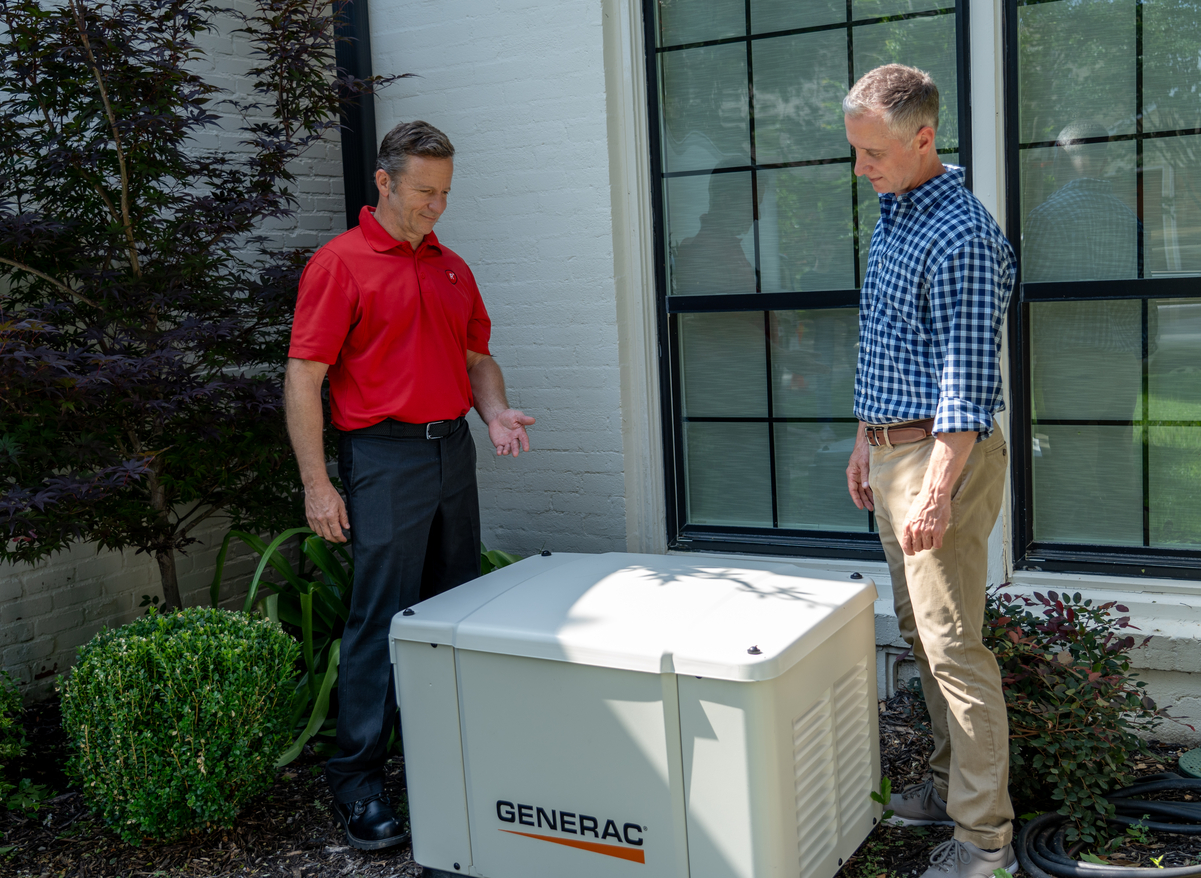
A home backup generator that is permanently installed works automatically. Standby systems are connected directly to your electrical panel and activate within seconds of an outage.
How They Work
An automatic transfer switch monitors incoming utility power. When power is interrupted, the system starts the generator and shifts your home to generator power. When utility service returns, it switches back automatically.
There is no manual setup or refueling during the outage.
Advantages
- Automatic operation
- Powers major systems including HVAC, refrigeration, and sump pump backup
- Cleaner installation with no extension cords
- Long-term reliability
- Increased home value
Whole house generator benefits include consistent coverage and uninterrupted backup power for home systems that matter most.
For many homeowners, standby generator installation offers long-term security and convenience.
Fuel Sources: Natural Gas vs. Propane vs. Gasoline
Choosing a generator also means choosing a fuel type.
- Gasoline: Common for portable units. It is widely available during normal conditions but can be difficult to access during widespread outages.
- Propane: Stores well long term and is common in Central Oregon homes that are not connected to municipal gas lines.
- Natural Gas: Connects directly to the utility line. For many Portland Metro homeowners, this provides consistent fuel supply without refueling concerns.
When comparing propane vs natural gas, your property setup and regional infrastructure will determine the best fit.
Which Generator Is Right for You?
Choose Portable If You:
- Rarely lose power
- Have a limited budget
- Are comfortable setting up and fueling equipment
- Only need to power a few essential devices
Choose Standby If You:
- Rely on medical equipment power
- Travel often
- Work from home
- Want automatic activation
- Prefer uninterrupted coverage during storms
When you understand standby vs portable generator options, it’s easier to decide what works best for your home and how you use it.
Why Professional Installation Matters
Permanent systems require proper integration with your home’s electrical infrastructure.
Professional standby generator installation ensures:
- Safe electrical connections
- Proper wattage requirements
- Code-compliant wiring
- Correct automatic transfer switch configuration
Improper installation can create safety hazards and equipment failure.
Roth Home provides professional generator guidance and installation support through our residential electrical services team.
Never Be Left in the Dark Again
Power interruptions are part of life in Oregon. Preparing in advance allows you to maintain control over heating, refrigeration, and critical household systems.
Whether you choose a portable unit or invest in a home backup generator, the goal is dependable backup power for home use when it matters most.
Roth Home has served Oregon homeowners for over 50 years and understands the region’s seasonal challenges. For all your generator needs, give us a call today at (503) 673-6394.
Schedule Online