Oregon spring doesn’t like to make up its mind. One day the rain feels endless, and the next you’re wishing you had the air conditioner running. Before you flip the switch this year, it’s worth taking a few minutes to make sure your system is ready. Those minutes can prevent damage, keep your home cooler, and save you from a mid-season service call.
In this quick guide, you’ll learn when to turn your system on, what to check first, and the signs it’s time to call a technician.
At Roth, we help homeowners from Aurora and Canby to Bend and Portland get their systems running safely each spring. Here’s our guide to waking up your AC after winter, straight from technicians who do it every day.
When Should You Turn On Your AC
Wait until outdoor temperatures consistently stay above about 60 degrees before starting your air conditioner. If nights are still dipping near freezing, it’s better to hold off. Cold weather can cause coils to freeze or oil to thicken in the compressor, which adds strain.
Most Oregon homeowners find late April or early May is the sweet spot. Once those chilly nights fade, give your system a test run.
Steps for Turning On Your AC for the First Time After Winter
1. Inspect the Outdoor Unit
Look for leaves, branches, or nests that may have collected around the condenser. Gently clear debris and check for visible damage to fins or wiring. If you covered the unit during winter, remove the cover before starting.
2. Check and Replace Filters
Dirty filters block airflow and make your system work harder. Replace them if they look dusty or gray. Most homes do well changing filters every one to three months.
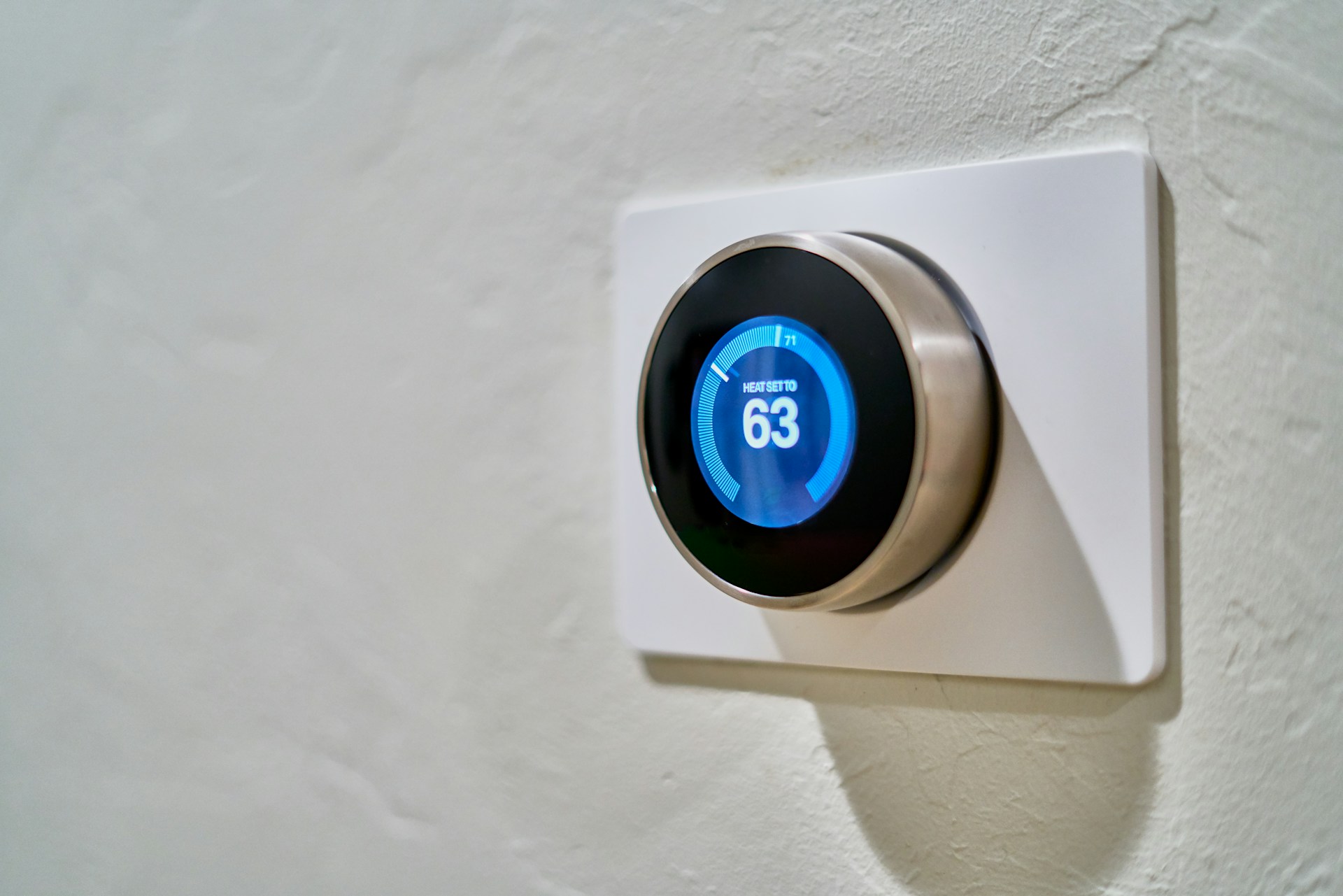
3. Set the Thermostat
Switch the thermostat to “cool” and raise the set temperature gradually. Make sure the fan is set to “auto” so it only runs when needed.
4. Give It a Dry Run
Turn on the fan only for a few minutes before starting the cooling mode. This clears out dust that collected in ducts during winter.
5. Start Cooling
Turn the thermostat down a few degrees and let the system run. Listen for odd noises outside and check that cool air is coming through the vents.
6. Check Airflow and Temperature
After ten minutes, the air from the vents should feel about fifteen to twenty degrees cooler than the air going into the return. Uneven or weak airflow could point to a clogged filter or blocked duct.
7. Watch for Early Warning Signs
If you notice warm air, unusual sounds, water around the unit, or a burnt smell, shut it off and call a professional. A small fix early can save you from a major repair later.
Common Issues You Might Encounter and What to Do
Even with proper care, systems can show a few hiccups after sitting all winter. Our technicians often find:
- Refrigerant leaks that developed during cold months
- Frozen coils caused by blocked airflow
- Failing capacitors or fan motors
- Clogged condensate drains
- Electrical shorts or tripped breakers
- Duct leaks that reduce cooling power
If your AC hums but doesn’t start, check the breaker first. If the breaker trips again or the unit clicks without running, call for service before trying again.
A Quick Story from the Field
Last spring, a homeowner in Aurora called after their AC wouldn’t cool the house. We found the outdoor unit packed with pine needles and a small bird’s nest under the fan grill. After a careful cleanup and quick test, the system ran perfectly. It’s a good reminder that Oregon’s wildlife likes warm spots too, so always take a look before you start the season.
Schedule Your Spring AC Check with Roth
If you’d rather skip the DIY steps, Roth can handle your AC startup for you. We’ll clean, inspect, and test your system so it’s ready for Oregon’s warmer days. It’s the simplest way to make sure your unit runs efficiently and lasts longer.
Call (503) 673-6394 today to schedule your spring AC tune-up in Aurora, Canby, Bend, or Portland.
Schedule Online