Is your home ready for the winter season? As temperatures drop, your heating system becomes your home's most valuable player. At Roth Home, we've spent over 45 years helping homeowners prepare their HVAC systems for winter's challenges. These proven tips will help you maintain efficiency, reduce energy costs, and ensure your family stays comfortable all season long.
Your Winter HVAC Maintenance Checklist
1. Replace or Clean Air Filters
One of the simplest yet most effective winter HVAC tips is regularly changing your air filters. Dirty filters restrict airflow, forcing your system to work harder and use more energy. Replace filters every 30 to 90 days, depending on usage.
2. Seal Drafts and Leaks
Inspect windows and doors for drafts and seal any leaks with weatherstripping or caulk. This simple step reduces strain on your HVAC system by keeping warm air inside where it belongs.
3. Schedule Professional HVAC Maintenance
Before winter arrives in full force, schedule a professional furnace maintenance appointment with Roth Home. Our NATE-certified technicians will change your air filter, check for wear and tear, lubricate moving parts, and ensure your thermostat works properly.
4. Clear Heating Vents and Radiators
Ensure furniture or curtains aren't blocking your heating vents. Blocked vents create temperature imbalances and force your system to work harder, wasting energy and money.
5. Adjust Your Thermostat
Make your HVAC system work smarter, not harder! Consider lowering your thermostat when your family is sleeping or away from home. A programmable thermostat automatically adjusts temperatures to match your schedule while maximizing efficiency.
6. Check Your Insulation
Proper insulation keeps heat from escaping through your attic and walls. Our technicians can identify areas where additional insulation might benefit your home's energy efficiency.
7. Monitor System Performance
Listen for unusual noises and check for proper airflow. If you notice anything unusual, like strange sounds from your blower motor or weak airflow, contact a professional immediately.
8. Inspect the Outdoor Unit
Always keep your outdoor unit clear of leaves, twigs, and debris. Good airflow around your unit is essential for efficient operation during the winter months.
9. Consider Upgrading Your HVAC System
If your HVAC system is older and struggling to keep up with cold weather demands, it might be time to consider an upgrade. The latest furnace models are designed to be more energy-efficient so you can reduce your heating expenses over time. Plus, Roth Home makes furnace installation easy and hassle-free.
10. Educate Your Household
Make sure everyone in your home knows how to use the HVAC system efficiently. Simple actions like keeping doors and windows closed when the heat is on can make a big difference in your system's effectiveness and your overall comfort.
Experience the White Glove Difference This Winter
At Roth Home, we do more than offer advice – we provide comprehensive solutions to keep your home comfortable all season long. Our technicians deliver thorough inspections, honest recommendations, and reliable service, treating your home with the utmost respect.
If you’re considering upgrading to a more efficient system, our comfort advisors can help you choose the perfect system for your home and budget.
Call Roth Home at (503) 673-6394 to speak to our knowledgeable team.
Deciding whether to repair or replace your air conditioner can be challenging. So many things can influence this decision, from the age and condition of the unit to long and short-term costs. Understanding when to opt for repairs and when to invest in air conditioning installation can help you make a smart financial decision.
When to Repair Your Air Conditioner
Repairing your air conditioner is often more cost-effective in the short term. Here are a few situations where a repair might be your best option:
Minor Issues
If your AC is suffering from minor issues like a clogged drain line, faulty thermostat, or low refrigerant, repairs are usually sufficient.
Age
Air conditioners younger than 10 years can often be repaired without the looming worry of future breakdowns.
Cost
If the cost of the repair is significantly less than replacing the unit, and the existing unit still has several years of life left, repair is your best option.
When to Replace Your Air Conditioner
Replacing your air conditioner might require a higher initial investment, but it can be more economical in the long run. Consider AC replacement in the following scenarios:
Old Age
Air conditioners older than 10 years are often less efficient and more prone to issues. Replacing an old unit can reduce your energy bills and the frequency of repairs.
Frequent Breakdowns
If your AC frequently needs repairs, especially during peak usage, it's a sign that the unit is likely past its prime.
High Energy Bills
Older or malfunctioning units often work harder to produce the same level of cooling, leading to higher energy costs. New models are designed to be more energy-efficient, meeting or exceeding current energy standards.
Modern AC Features
When deciding whether to repair or replace your AC unit, it’s important to understand the technological advancements that are available. Here's how modern features might influence your decision:
Variable Speed Compressors
New air conditioners often have variable speed technology, which adjusts cooling output to match your home's needs. If your old system lacks this feature, replacing it with a modern variable speed unit can deliver significant energy savings.
Smart Diagnostics
Modern AC units have diagnostic systems that monitor performance and predict the need for repairs. Upgrading to a model with smart diagnostics can prevent unexpected breakdowns and save on repair costs.
Eco-Friendly Refrigerants
Modern air conditioners use refrigerants that are less harmful to the environment. Upgrading to a new model that uses an eco-friendly alternative can give you added peace of mind.
Air Filtration Systems
Newer AC units often include advanced filtration systems, like HEPA, that remove pollutants and allergens from the air. If anyone in your household suffers from allergies or respiratory issues, upgrading to a unit with superior filtration might be beneficial.
Smart Controls
New HVAC systems often feature Wi-Fi enabled controls that allow you to manage your cooling system remotely via a smartphone. This capability can help you better manage your home’s energy usage and ensure your system is operating efficiently, even when you're not at home.
Professional Air Conditioning Guidance
If you’re still unsure whether you should repair or replace your AC unit, talk to a qualified HVAC professional at Roth Home. Our technicians are trained to provide tailored assessments based on your budget, unit model, and cooling needs. No matter what, we’ll help you make a smart decision you feel good about.
Call (503) 673-6394 to schedule an appointment.
When it comes to heating and cooling your home, finding the right balance between comfort and cost is key. Mini split systems are popular, but they’re not as straightforward as other HVAC systems. In this guide, we will discuss how to determine the right number of mini splits for your home.
Understanding Mini Split Equipment
A mini split, also known as a ductless split system, is a type of HVAC appliance that provides both heating and cooling. Unlike traditional heating and cooling systems, a mini split system does not require ductwork.
A mini split system is composed of two major components—the outdoor unit and the indoor air handler. While you typically only need one outdoor unit per system, you can have multiple air handlers within your home. Mini splits let you control the temperature in different parts of your space, allowing you to precisely control the temperature and energy consumption.
Do I Need a Mini Split in Every Room?
No, you don’t necessarily need a mini split in every room. These multi-zone systems are quite powerful, and a single indoor air handler can effectively heat or cool more than one space. This is especially true if the rooms are adjacent or have an open layout.
For instance, if you have an open-plan living and dining area, one air handler might suffice for both spaces. The key is to consider the layout of your home and how air flows between rooms. Obstructions like walls and closed doors can hinder this flow, making additional units necessary.
How Many Rooms Will One Mini Split Cool?
The number of rooms a single mini split can cool depends on various factors, including the size of the rooms, the total area, and the layout. Typically, one mini split unit, also known as an air handler, can efficiently cool or heat one to two rooms. For open spaces or smaller rooms that are connected, one unit might be enough.
However, if your home has multiple levels or a more complex layout, you might need additional indoor units. This ensures each room or zone is adequately covered, providing comfort no matter where you are in the house.
Can One Mini Split Cool Multiple Rooms?
Cooling your entire home with one mini split is possible, but this will depend on the system model and the size of your home. Very small homes or those with an open floor plan might be well-serviced by a single air handler. However, larger homes, especially those with multiple floors or complex layouts, will likely need multiple air handlers to ensure efficient temperature control throughout.
Another factor to consider is the unit’s BTU (British Thermal Unit) rating, which measures cooling and heating power. A higher BTU rating means the air handler can cover a larger area. However, it's crucial not to overestimate the capacity of a single air handler. Stretching it too thin can overwork the system and lead to breakdowns.
How Many Square Feet Does Each Mini Split Cover?
Determining the square footage of each mini split air handler is crucial in deciding how many you need. On average, each air handler can cover about 400 to 600 square feet. However, this can vary based on factors like ceiling height, insulation quality, and local climate conditions.
For example, a unit rated for 600 square feet might struggle in a poorly insulated room or a room with high ceilings. Similarly, in hotter climates, you might need a higher BTU rating to achieve the same level of comfort.
Calculate How Many Mini Splits You Need For Your Home
To figure out the exact number of mini splits you need, you’ll need to measure your home’s square footage, the size of each room and factor in layout, insulation quality, the number of windows, and climate.
Here are five steps you’ll need to take to plan out the perfect mini split system for your home.
Assess Your Home's Layout
The first step in determining the right number of mini splits for your home is to assess your home's layout. Consider the size and layout of each room, as well as the overall square footage of your space.
Rooms with high ceilings or large windows may require more heating and cooling power, while smaller rooms may only need one unit. It's also important to consider the location of each room in relation to the outdoor unit. If the unit is too far away from the room, it could affect the overall efficiency of the system.
Calculate BTUs
BTUs, or British Thermal Units, are a unit of measurement used to determine the heating or cooling capacity of an HVAC system. To determine the right number of air handlers for your home, you will need to calculate the total BTUs needed to heat and cool your space.
This can be done by multiplying the square footage of each room by the recommended BTUs per square foot for your climate. For example, a room that is 200 square feet in a hot and humid climate would require a mini split with 6,000 BTUs (200 x 30 = 6,000).
Consider Zoning
One of the benefits of ductless mini split systems is the ability to create zones within your home. This allows you to adjust the temperature in each room individually for better heating and cooling efficiency. When determining the right number of mini splits for your home, consider which rooms you would like to have in separate zones.
Set a Budget
When determining the right number of mini splits for your home, it's important to consider your budget. While adding more units may provide more efficient cooling, it may not be financially feasible. It's important to find a balance between comfort and cost that works for your budget.
Seek Professional Advice
While it's possible to calculate the number of mini splits needed for your home on your own, it's always best to seek professional advice. An HVAC technician can assess your home's layout and cooling needs to determine the right number of units for your unique space. They can also provide recommendations on the best placement for the units and help you choose the right size and brand for your budget.
Create the Perfect Whole Home Ductless System
Roth Home is proud to be Portland’s most reliable source for high-quality mini split systems. No matter the size or layout of your home, our team of certified technicians can help you design the perfect whole-home ductless system, ensuring maximum comfort and efficiency.
Reach out today to learn more about our Portland ductless AC installation.
If you're a homeowner, you’re likely curious about the upkeep you’ll need to do to keep your home in good working order. Air conditioning (AC) maintenance is an important part of that upkeep.
In simple terms, AC maintenance involves a series of checks, tests, and part replacements that ensure your AC is running efficiently and safely. Think of it like taking your car in for a tune-up—you want to keep it in good shape to avoid any unexpected breakdowns, right? The same goes for your AC.
Ideally, AC maintenance should be performed once a year, typically in spring before the weather heats up. Let’s dive into everything involved in air conditioning maintenance.
What’s Included in AC Maintenance?
AC maintenance might sound complex, but at its core, it's simply about taking care of several key components of your air conditioning system. By performing regular maintenance, you not only extend the life of your AC but also save money on energy bills and repairs down the line.
While some tasks, like changing your AC filter, can be done on your own, air conditioning maintenance is typically performed by an HVAC technician. Here’s everything you can expect during your maintenance appointment.
-
Filter Change
The first task on any maintenance checklist is changing the air filter. Air filters trap dust, pollen, and other airborne particles, keeping the air in your home clean. Over time, these filters clog, forcing your AC to work harder and less efficiently. Depending on your home and cooling equipment, you'll want to change your filter every 2-3 months.
-
Coil Cleaning
Your AC has two main coils–an evaporator coil and a condenser coil. These coils can collect dirt over time, reducing airflow and the coil's ability to absorb heat. Cleaning these coils is crucial for maintaining your AC’s efficiency.
-
Coil Fin Care
The coils have aluminum fins on them that can bend easily, blocking airflow. During maintenance, a tool called a "fin comb" is used to straighten these fins. This small maintenance task can make a big difference in how well your AC functions.
-
Belt Replacement
Just like in a car, belts in your AC wear out over time. If these belts break or crack, your AC won’t work properly. Checking and replacing these belts as needed is a key part of regular maintenance.
-
Unclogging Condensate Drains
Your AC removes humidity from the air and that moisture drains away through the condensate line. Over time, this line can become clogged, causing water damage and increasing humidity levels. Regularly checking and clearing this line is important.
-
Removing Debris from the Outside Unit
An outside AC unit can accumulate leaves, dirt, and other debris if it’s not covered in the winter. This debris can reduce airflow and affect your system’s efficiency. Cleaning up your outdoor unit is a simple but crucial maintenance task.
-
Other Maintenance Tasks
A few other tasks must be completed before AC maintenance is complete. These include checking the coolant level, inspecting all moving parts, checking the thermostat to ensure it's working correctly, and making sure all electrical connections are tight and safe.
Hiring an HVAC Professional for Maintenance
While some HVAC maintenance tasks, like changing filters, can be done by yourself, others require a professional touch. Hiring a professional for AC maintenance offers several benefits.
For starters, HVAC technicians have the knowledge and tools to do a thorough job. Plus, they can spot potential issues before they become major problems. Professionals also perform a more comprehensive check than what you might do on your own. They'll look at every aspect of your system, from the thermostat settings to the electrical components and amperage, ensuring everything is in tip-top shape.
This not only prolongs the life of your AC but also keeps your home comfortable and energy-efficient.
Keep Your AC Running Strong
If you’re looking for comprehensive and reliable air conditioner maintenance, look no further than Roth Home. We service split systems, central air cooling systems, ductless units, and ceiling fans.
Our team is proud to be the top choice for AC maintenance in Portland and the surrounding Central Oregon communities.
When you need dependable HVAC and other quality home services in Portland, Oregon, you’ve always been able to rely on us. That isn’t ever going to change, but we are excited to announce some upcoming brand updates!
Roth Home can be a mouthful, so we’ve decided to make things a little easier. Very soon we’ll be known as Roth Home, as will our sister company in Bend, Oregon.
Even though we’re getting a new name, you can still count on the same 5-star, White Glove Service you have come to expect from us. This small change will allow us to grow as a company and expand the ways in which we keep you comfortable.
Roth Home to Roth Home
Roth Home is a part of the Roth family. We have been sister companies for the past 20 years, and we figured it was time to simplify things. Going forward, Roth Home will also be known as Roth Home.
We’re Excited to Continue Serving You
Even though we’re getting a new name, you can still depend on us for the same quality heating and cooling, plumbing, and electrical services we’ve always offered.
There are no operational changes, no new owners, just a new, simplified name that we think has a better ring to it.
Contact us today if you have any questions about this company update! You may also call us for dependable home services anytime.
Reach out to schedule a service appointment when you call (503) 673-6394 today.
As a homeowner in Portland, Oregon, having a sump pump and rain drain is crucial due to the region's wet climate and heavy rainfall. These systems effectively prevent water damage and flooding issues around your home's foundation, especially in basements and crawl spaces. With frequent rainstorms in the area, excess water can accumulate and cause structural damage, as well as promote mold and mildew growth.

For decades, Roth Home & Cooling, Plumbing, Electrical, and Drain Service has been installing sump pumps and rain drains for Portland homes and businesses. In a city that is more than familiar with constant rain and flooding, we know how important it is to keep water out of your space.
Before you decide on installing either appliance, you need to know its key benefits. Our experts have broken down the perks of sump pumps and rain drains below.
Rain drains work in tandem with the sump pump by diverting water away from your property. Not only does this preserve your property value but it also provides you with peace of mind, knowing your home is well-protected from any water-related emergencies.
Benefits Of A Sump Pump
A sump pump installed in the lowest point of the basement or crawl space pumps out collected water. Essentially it saves your home from a disaster by keeping these areas dry and reducing the risk of costly repairs as well as health hazards from flooding. In addition to flood prevention, here are some more key benefits you can expect:
- Water Damage Protection: By effectively managing water accumulation, sump pumps help protect the foundation and structure of your home from costly water-related damage.
- Mold and Mildew Prevention: Keeping the basement or crawl space dry with a sump pump discourages mold and mildew growth, which can be harmful to your health and cause property damage.
- Improved Indoor Air Quality: By reducing moisture levels, a sump pump contributes to better indoor air quality, promoting a healthier living environment.
- Increased Property Value: Having a functional sump pump can enhance the value of your home, especially in areas prone to flooding or heavy rainfall.
- Lower Insurance Premiums: Some insurance companies may offer discounts on premiums for homeowners with sump pumps, as they demonstrate proactive flood prevention measures.
- Peace of Mind: With a reliable sump pump in place, homeowners can rest assured that their property is better protected from potential water-related emergencies.
- Extended Structural Lifespan: By preventing water damage to the foundation and structure, a sump pump can contribute to the longevity of your home's structural components.
- Quick Water Removal: Sump pumps activate automatically when water levels rise, efficiently pumping out water and preventing extensive flooding.
How Long Do Sump Pumps Last?
The lifespan of a sump pump can vary depending on several factors, including the quality of the pump, how often it operates, and the maintenance it receives. On average, a well-maintained sump pump can last anywhere from 7 to 10 years. However, some high-quality models can last even longer, up to 15 years or more.
Benefits Of A Rain Drain
The benefits of a rain drain are similar to those listed above for the sump pump. Some of the benefits that are exclusive to a rain drain include:
- Foundation Protection: By diverting rainwater away from the foundation, rain drains help protect the structural integrity of the building, reducing the risk of water damage and potential foundation issues.
- Preventing Erosion: Rainwater, if not properly controlled, can lead to soil erosion around the house. Rain drains channel the water to designated areas, preventing soil erosion and maintaining the landscape.
- Protecting Landscaping: Landscaping elements, such as flower beds and shrubs, can suffer from excessive water exposure during heavy rainfall. Rain drains ensure water is directed away from these areas, preserving the beauty and health of the landscape.
- Preventing Water Intrusion: Rainwater that flows directly from the roof can find its way into vulnerable areas of the house, causing water damage and potential leaks. Rain drains ensure water is directed away from openings and vulnerable spots.
- Protecting Siding and Exterior: Excess water runoff can damage the exterior siding and paint of the house. Rain drains to channel the water away, protecting the exterior and potentially extending its lifespan.
- Reducing Mosquito Breeding: Stagnant water around the house can create breeding grounds for mosquitoes. Rain drains prevent the accumulation of standing water, reducing the risk of mosquito infestations.
- Preventing Ice Dams: In colder climates, ice dams can form on roofs due to improper drainage. Rain drains help prevent the buildup of ice, reducing the risk of roof damage and leaks.
How Long Do Rain Drains Last?
The lifespan of rain drains, also known as gutter systems or downspouts, can vary depending on several factors, including the material they are made of, the level of maintenance they receive, and the climate in which they are installed. Generally, well-maintained rain drains in a region like Portland, Oregon can last anywhere from 20 to 50 years or even longer.
Seamless Plumbing Installations With Roth
With Roth Home, your sump pump and rain drains can be inspected, repaired, or installed in no time! Contact us now to schedule your next plumbing inspection, repair, or installation now.
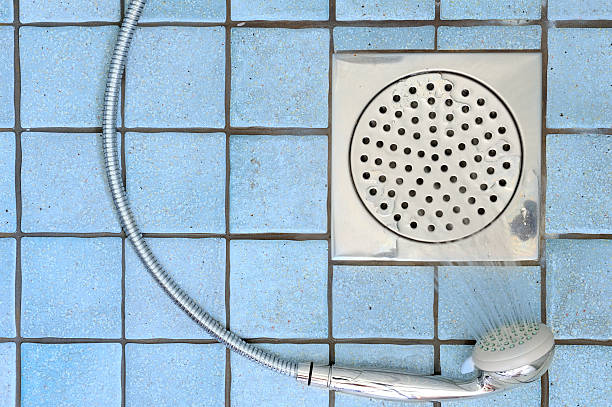
Even though the drains and pipes around your bathrooms lead into your home’s sewer lines, you shouldn’t be experiencing any foul smells. If you notice any pungent sewer-like smells coming from your home’s shower drains, then there might be an underlying issue that needs to be addressed.
As professional plumbers in Portland, Oregon, there is no clogged drain nor a repiping job that is too complicated for Roth Home. Within minutes of inspecting your home’s plumbing or drains, we will be able to determine the cause of your plumbing issues and provide solutions.
Why Does My Shower Drain Smell Like a Sewer?
If a homeowner is experiencing a sewage smell coming from their shower drains, there could be several potential reasons for this issue. Here are a few common causes to consider:
Dry P-trap: The P-trap is a U-shaped pipe located beneath sinks, showers, and other plumbing fixtures. It traps a small amount of water, creating a seal that prevents sewer gasses from entering the living space. If a shower drain is not used frequently, the water in the P-trap can evaporate, breaking the seal and allowing sewage odors to escape.
Blocked or Damaged Vent Pipe: Plumbing systems often include vent pipes that extend from the drainage system to the roof. These vent pipes allow air to flow and equalize pressure in the drains, preventing odors. If the vent pipe is blocked by debris, a bird's nest, or other obstructions, it can disrupt the proper ventilation and result in sewage smells.
Clogged or Partially Blocked Drainage System: Over time, debris, hair, soap scum, and other materials can accumulate in drains and pipes, impeding the proper flow of wastewater.
Broken or Damaged Sewer Pipe: If there is a crack, hole, or joint separation in the sewer line, it can allow odors to escape into the surrounding soil and eventually enter the home through the drains.
Sewer Line Ventilation Issues: In some cases, a lack of proper ventilation in the sewer line can cause odors to seep into the home. This can occur if the ventilation system is not adequately designed or if there are blockages or restrictions in the vent pipes.
Unfortunately, these issues aren’t always apparent without an inspection by a trusted plumber. Once one of Roth’s professionals thoroughly inspects the source of your plumbing problems, we will be able to provide accurate solutions.
Solutions For Sewer Smells In Your Drains
Some answers to the foul smell coming from your bathroom drains involve adding a bit of water to create a seal within a dry P-trap. Others require the help of a plumber who can carefully inspect and treat your problem with ease. To resolve any of the above issues involving your shower drain, here’s how our plumbers might approach them:
- Blocked or Damaged Vent Pipe:
- Inspect and clear any blockages in the vent pipe.
- Repair or replace damaged sections of the vent pipe if necessary.
- Clogged or Partially Blocked Drainage System:
- Use drain snakes or hydro-jetting to clear the blockage.
- Consider professional drain cleaning services if the clog persists.
- Broken or Damaged Sewer Pipe:
- Repair or replace the damaged section of the sewer pipe.
- Consult a professional plumber for an accurate assessment and appropriate repair solution.
- Sewer Line Ventilation Issues:
- Evaluate the ventilation system and make necessary adjustments or repairs.
- Ensure there are no blockages or restrictions in the vent pipes.
Hydro Jetting For Shower Drains
At Roth, our plumbers are thoroughly trained, certified, and insured to clear or repair your drains. If you think you’re experiencing a major clog or other problem with your shower drains, you must address it immediately. Waiting to resolve foul odors emitting from your drains could make any underlying drain or plumbing issues even worse.
If you require our hydro jetting or excavation services, please contact us now.
Hot tubs are quite literally a hot commodity throughout the Pacific Northwest. While installing a new hot tub in your home’s backyard might seem like a job for your local plumber, you’ll need a licensed electrician to help you safely set up this appliance.
Not only will an electrician be familiar with all of the hot tub’s electrical requirements during installation, but they will also be able to provide you with key safety tips that help you enjoy it with ease.
We’ve gathered our professionals with Roth to break down the key safety measures that should be taken during the installation and maintenance of a new hot tub.

Installation
During a hot tub installation, both homeowners and electricians must prioritize safety. Here are some key safety tips to consider:
- Hire a qualified electrician: Ensure that a licensed and experienced electrician, like those with Roth, handles the hot tub’s electrical installation. These licensed professionals possess the necessary expertise and knowledge to perform the job safely.
- Follow local codes and regulations: While electricians should be familiar with and abide by the National Electrical Code (NEC) as well as local electrical codes and regulations, homeowners should also be aware of this information before their hot tub installations. Adhering to these guidelines during electrical work will help ensure compliance and safety for installers and any hot tub users over time.
- Use a ground fault circuit interrupter (GFCI): Install a GFCI circuit breaker or outlet to protect against electrical shocks. GFCI breakers or outlets quickly detect imbalances in electrical currents and shut off power to prevent accidents.
- Maintain proper wiring distance: Keep the hot tub wiring at a safe distance from water sources to minimize the risk of electrical hazards. Follow the manufacturer's guidelines for appropriate wiring locations.
- Bond all metal components: Bonding ensures all metal parts of the hot tub, such as handrails and equipment, are electrically connected to minimize the chance of electrical shocks.
- Install a proper disconnect switch: Include a disconnect switch near the hot tub for easy and quick power cutoff during emergencies or maintenance. This switch should be easily accessible and clearly labeled.
Safely Maintaining Your Hot Tub
After the electrical installation of a new hot tub is complete, homeowners should keep the following key safety tips in mind:
- Read and follow the manufacturer's instructions: Carefully review the hot tub's user manual and follow the manufacturer's instructions regarding usage, maintenance, and safety guidelines.
- Educate family members and guests: Inform everyone in your household about the proper and safe use of the hot tub. Educate them about the potential risks, rules, and guidelines to follow when using the hot tub.
- Supervise children and vulnerable individuals: Children and vulnerable individuals should never use the hot tub unsupervised. Keep a close eye on them to prevent accidents or drowning incidents.
- Use non-slip surfaces: Place non-slip mats or surfaces around the hot tub to prevent slipping and falling when entering or exiting the tub. This is particularly important to ensure safety in wet conditions.
- Be cautious with electrical devices: Avoid using electrical devices near the hot tub, such as radios, phones, or other electronic devices, as they can pose a risk of electric shock if they come into contact with water.
- Regularly inspect and maintain: Routinely inspect the hot tub for any signs of damage or malfunction. Maintain proper water chemistry, temperature, and filtration as recommended by the manufacturer. Address any issues promptly.
- Keep the area clear: Ensure the area around the hot tub is clear of obstructions, including furniture, plants, and other objects. This reduces the risk of tripping and allows for easy access during emergencies.
- Have emergency procedures in place: Establish clear emergency procedures, including knowing how to shut off power to the hot tub and having a first aid kit nearby. Educate family members on these procedures.
By following these safety tips, homeowners can enjoy their hot tub while prioritizing the well-being and safety of themselves and their loved ones. If you’re ready to have a new hot tub installed around your home in Portland, look no further than Roth Home & Cooling, Plumbing, Electrical, and Drain Service for help now.
Compared to the rest of the continental US, Portland has experienced a particularly gray and dreary start to the spring season. The weather is finally expected to turn in the coming weeks, so if you haven’t started preparing your home for warmer weather now is the best time to start!

While some homeowners love spring cleaning, others might find it to be quite overwhelming and not know where to begin. As the longtime electricians, plumbers, and HVAC professionals of Portland, we want to help Oregonians tackle their spring cleaning tasks with ease. We’ve created this April home maintenance checklist to make sprucing up your home even easier this year.
- Buy High-Efficiency Filters For Fire Season –
- Oregon’s fire season begins in May and can last until rainy weather returns in September. This year’s snowfall totals were extraordinarily high, with all counties falling well above 100% normal levels. While this will be beneficial for the spring bloom, it’s difficult to predict how dry the summer will be.
- As a homeowner, you should invest in a high-quality air filter to protect yourself from wildfire smoke. These high-efficiency filters should be between a MERV 6 and MERV 12 at the very least. Anything above a MERV 13 adds significantly higher protection for your home.
- In addition to protecting your home from wildfire smoke, you’ll also create a safe haven from allergens that emit from trees, flowers, and other pollen-producing flora.
- Prepare Your Home For Mosquitos –
- With temperatures slowly rising and snow melt leading to excess water across Portland, it won’t be long until Mosquitos start swarming across the metro area. To protect yourself and your home, take note of areas around your yard that could collect water. If possible, level out those areas to naturally prevent the prevalence of mosquitos.
- Ensure your home’s windows and doors are securely screened to prevent these pests from entering your home.
- Keep weeds, grass, and other plants around your property properly trimmed and maintained.
- Schedule A Plumbing Inspection –
- If you live in an older home or have recently moved into a new home, then a plumbing inspection should be at the top of your home maintenance checklist. With parts of the state experiencing snowfall amounts nearly triple what is normally expected, flooding is something that Portland residents should be prepared for this spring.
- Making sure your drains, gutters, and pipes are prepared to handle excess water is always a good idea. If you have a sump pump in your home, it’s better to have this equipment inspected in advance rather than discover a problem with it when your basement becomes flooded.
- Prepare Your HVAC Equipment –
- Spending tons of time indoors over the winter months means you’ve likely accumulated more dust, pet hair, and other debris than you might expect during the summer. Before you turn on your air conditioning system, it’s best to thoroughly dust, vacuum, and clean off dusty surfaces to reduce the amount of stress you will be putting on this appliance.
- If you notice your air conditioning system isn’t cooling your home properly when you first turn it on, then it’s important to contact a professional heating and cooling company as soon as possible.
Are you ready to schedule AC maintenance with Roth Home? Contact us to secure your cooling system maintenance appointment now.