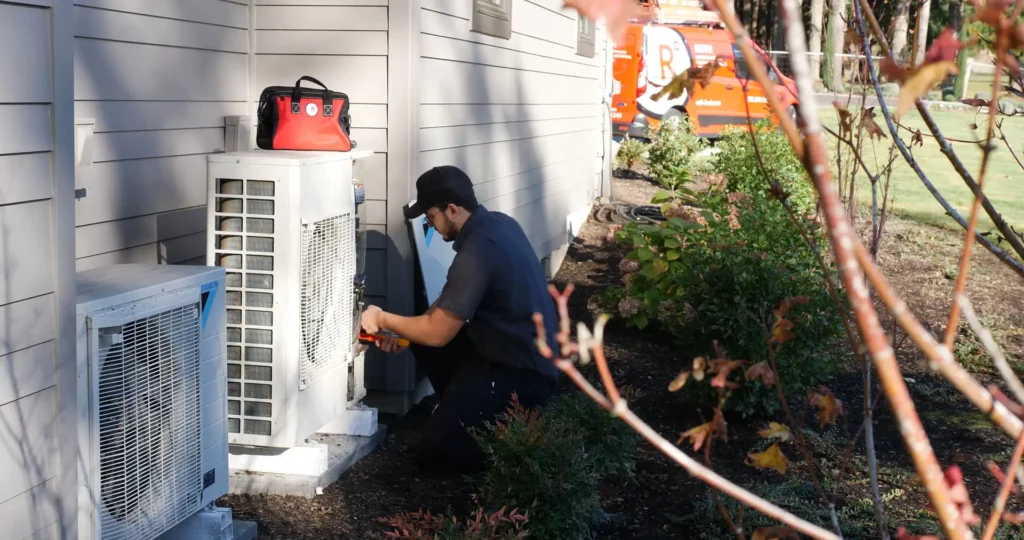
The large metal equipment in your basement, attic, garage, or backyard usually doesn't get much attention until something stops working. Understanding the basics of your home's HVAC system makes it easier to recognize problems early, perform simple maintenance, and know when it's time to call a professional.
Whether you're buying your first home or simply want to better understand your heating and cooling equipment, this guide explains the terminology, major components, and basic maintenance every Oregon homeowner should know.
What Does HVAC Stand For?
HVAC stands for Heating, Ventilation, and Air Conditioning. Together, these systems regulate your home's temperature, humidity, airflow, and indoor air quality to keep your living space comfortable throughout the year.
Rather than being a single piece of equipment, HVAC refers to several components working together. Depending on where you live in Oregon, your system may include a gas furnace, air conditioner, heat pump, ductwork, thermostat, and ventilation equipment.
The Core Components of Your HVAC System
Most residential HVAC systems include a heating source, a cooling source, an air distribution system, and controls that allow every component to work together efficiently throughout the year.
The primary components include:
- Furnace
- Air conditioner
- Heat pump (in many homes)
- Air handler
- Ductwork
- Thermostat
Different parts of Oregon often use different system configurations. Homes in Bend and Sisters frequently rely on higher-capacity heating systems or dual-fuel equipment to handle colder winters, while homes throughout Portland and the Willamette Valley commonly benefit from heat pumps because of the region's milder, wetter climate.
The Furnace (Heating)
A furnace generates heat by burning natural gas or propane, or by using electric heating elements, before distributing warm air throughout your home using the ductwork.
Inside the furnace, fuel heats a heat exchanger, while the blower moves air across it and into the home's ductwork. Modern high-efficiency furnaces extract more usable heat from the combustion process, helping reduce energy consumption during Oregon's colder months.
The Air Conditioner (Cooling)
An air conditioner cools your home by removing heat and humidity from indoor air rather than creating cold air.
The evaporator coil absorbs heat from inside your home as refrigerant passes through it. That heat travels outdoors to the condenser unit, where it is released into the outside air before the refrigerant cycle begins again.
The Heat Pump (Hybrid Heating & Cooling)
A heat pump is essentially a reversible air conditioner that cools your home in summer and extracts heat from the outdoor air during winter.
Heat pumps work especially well throughout Portland and much of western Oregon because winters are relatively moderate. In colder climates like Bend or Sisters, homeowners often choose dual-fuel systems that pair a heat pump with a gas furnace for additional heating capacity during freezing temperatures.
Ductwork & Ventilation
Ductwork distributes conditioned air throughout your home while return ducts carry indoor air back to the HVAC system to be heated or cooled again.
Proper airflow depends on clean ductwork, unobstructed supply and return vents, and balanced air movement throughout the house. Restricted airflow forces HVAC equipment to work harder while reducing comfort and efficiency.
The Thermostat
Your thermostat controls when your HVAC system turns on and off based on your preferred indoor temperature.
It does far more than simply adjust the temperature. Modern programmable and smart thermostats help improve efficiency by automatically adjusting heating and cooling schedules based on your daily routine, making them one of the most important parts of the entire system.
How Does an HVAC System Actually Work?
An HVAC system works by heating or cooling air, moving it through the home with an air handler or blower, and circulating it through ductwork until the thermostat reaches the desired indoor temperature.
During cooling, warm indoor air passes over the evaporator coil, where refrigerant absorbs heat before carrying it outside to the condenser unit. During heating, the furnace or heat pump warms the air instead.
The air handler then pushes conditioned air through the ductwork and into each room before the return vents send it back to begin the cycle again.
3 Essential HVAC Maintenance Tasks for Homeowners
Most homeowners can safely improve HVAC performance by replacing air filters regularly, keeping the outdoor unit clear of debris, and checking thermostat operation throughout the year.
Simple maintenance includes:
- Replace the air filter every 30 to 90 days. Choose the correct MERV rating recommended for your system to maintain good airflow while capturing airborne particles.
- Keep the outdoor condenser unit clear. Remove leaves, branches, weeds, and other debris that restrict airflow around the equipment.
- Check thermostat batteries and settings. Fresh batteries and accurate programming help prevent unnecessary service calls.
These simple tasks support system efficiency between professional annual maintenance visits.
When to DIY vs. When to Call a Professional
Basic maintenance like changing filters and clearing debris is safe for most homeowners, but repairs involving electricity, refrigerant, gas lines, or internal furnace components should always be performed by a licensed HVAC technician.
Never attempt to repair the electrical cabinet, refrigerant lines, gas piping, or a damaged heat exchanger yourself. These repairs require specialized training, equipment, and safety procedures.
Scheduling professional annual maintenance helps identify developing problems before they become major repairs while supporting manufacturer warranty requirements.
If your system isn't heating or cooling properly, Roth Home provides professional diagnostics, AC services, repairs, and maintenance throughout Oregon.
Schedule Online (503) 673-6394