Tree and shrubbery root growth happens fast in the Portland area’s rainy climate and when that root growth is near your plumbing, it can cause leaks, blockages, and other issues that call for expensive repairs. A little forethought can help you keep your lines clear.
Find your lines — To protect your sewer lines, you need to know where they are. You can find your lines by calling the Oregon Utility Notification Center’s “Call Before You Dig” number or by using the online form. A professional plumber can also give you a plan of your sewer line’s location.
Block the roots — Creating a physical or chemical barrier around your sewer lines helps keep roots out. You can divert roots by burying wood, metal or plastic barriers along the sewer line or applying a layer of root-inhibiting chemicals such as sulfur or zinc.
Commercial clog prevention products designed to be flushed down the toilet are another option. Alternatively, a professional plumber can apply a combination of metam-sodium, which kills roots, and dichlobenil, which inhibits root growth.
Landscape with care — Plant trees and shrubs at least 10 feet from the sewer lines. Choose slow-growing species with small root balls. Read up on the species’ root growth habits before you plant it. Some good selections for Western Oregon are:
- Japanese maple
- Kousa and flowering dogwood
- Crabapple
- Serviceberry
Upgrade your lines — Leaky sewer lines pose a health hazard and are more susceptible to root damage. When possible, replace older and damaged lines with continuous unplasticised (UPVC) pipes, which is nearly impervious to tree roots. Pipe bursting technology makes it possible to replace your sewer lines without digging up your lawn.
Staying alert for the signs of root damage will help you catch problems early. If you’ve noticed slow-flowing drains or frequent clogs, or your pipes or toilet have been emitting gurgling noises, call a plumber to have your pipes inspected.
If you need a little help keeping your plumbing, furnace, air conditioner or other home comfort equipment in top form, contact us at Roth Home & Cooling in Portland and the surrounding area.
When it comes to any home electrical system, safety always comes first. To keep homeowners safe, every home that’s built or renovated in the Portland area must conform to local building codes. Portland is one of countless cities that have adopted the National Electrical Code, a comprehensive set of standards for safe electrical wiring and equipment.
To make sure your home electrical system is in compliance, take a moment to see that your home offers the following:
- Make sure your bathroom, basement and other areas prone to dampness have ground fault circuit interrupter (GFCI) outlets installed.
- Check hard-wired smoke and carbon dioxide detector systems along with battery backup mechanisms for proper operation.
- Refrain from running electrical cords and cables under carpeting, as it increases fire danger.
- Have your home’s circuit breakers tested at least once a year to prevent any future issues with electrical loads.
- Consider hiring a private building inspector to look for any potential code violations and faults. If any are found, your contractor may be able to help fix almost any problem that comes up.
Want to know more about your home electrical system or perhaps schedule a safety check? Contact the pros at Roth Home & Cooling in Portland.
When it comes to the lowering of energy usage and monthly utility bills, many people exclude the advantages of dimmer switches. In the average household, lighting can account for almost 15 percent of your electricity costs. If used properly, dimmer switches are a great tool that can be used as part of an energy conservation plan.
The Advantages of Dimmer Switches
Here are some of the benefits you can enjoy with these devices:
- Simple installation — Although it is recommended that hire an HVAC professional for the installation of dimmer switches, this is a small job that shouldn’t be too costly.
- Enhanced control — Dimmer switches allow you to determine how much electricity is being used by the light fixtures it’s attached to, putting the control in your hands.
- Energy savings — One of the greatest (and most obvious) advantages of using a dimmer switch is the energy you’ll save every time you use your lights at a lower level than the fixture’s maximum output. Keep in mind, however, that this savings will vary depending on the type of bulb that you’re using, the amount of dimming involved, and the length of dimming.
- Use with CFLs — Contrary to what some people have experienced, dimmer switches can be used with compact fluorescent light bulbs (CFLs) in order to lower those bulbs’ already energy-saving output. The trick, though, is that special “dimmable” CFLs are required.
Where to Place Dimmer Switches
It may not be feasible to replace all of your standard light switches with dimmer switches. If this is the case, then you’ll want to concentrate on the locations that will give you the greatest benefit in energy and cost savings. The most advantageous places will be those where your lighting needs fluctuate the most. If you choose the rooms where a light’s brightest capacity isn’t often required, you’ll go a long way to your desired savings.
For more expert advice on the advantages of dimmer switches or any questions about home comfort, please contact the friendly professionals at Roth Heating & Cooling. We’ve been serving the needs of Portland and the surrounding area since 1976.
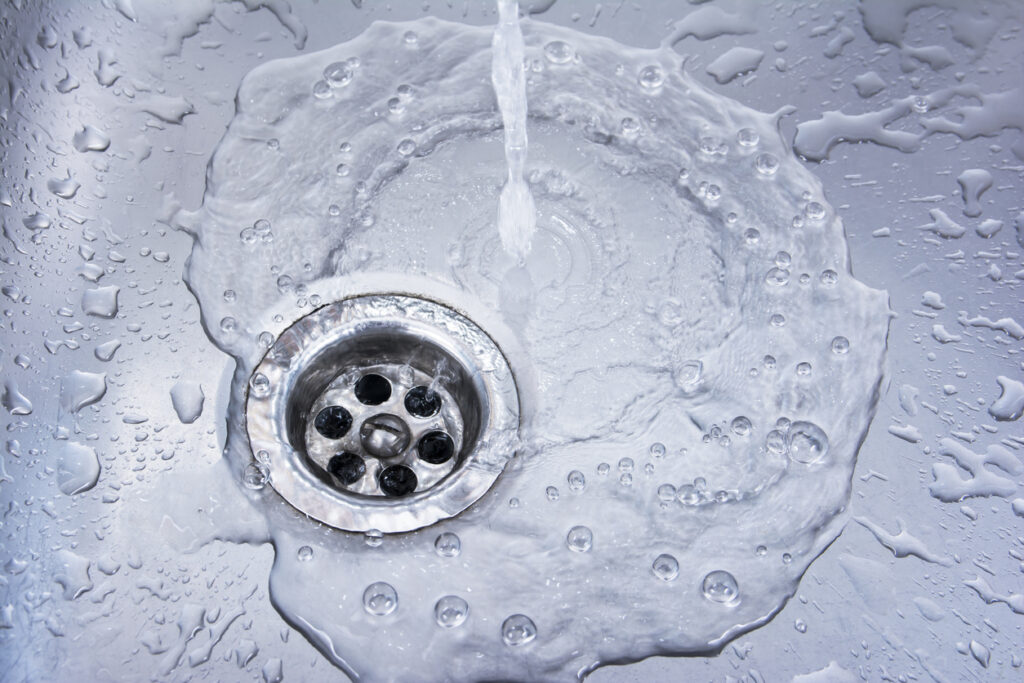
When a clog stops up your bathroom or kitchen drain, it can bring your day to a grinding halt. Luckily, there are several simple methods to clear clogged drains using household supplies. In this blog, we explore using hydrogen peroxide to unclog drains in your home.
Understanding Hydrogen Peroxide & Drains
What is Hydrogen Peroxide?
Hydrogen peroxide is a mild antiseptic known for its oxidizing properties, which make it useful for cleaning and disinfecting cuts. It’s praised for being an environmentally friendly and non-toxic household cleaner.
Does Hydrogen Peroxide Damage Plumbing?
No, hydrogen peroxide will not damage your plumbing. Unlike harsh chemicals, hydrogen peroxide is safe for drains. It is less corrosive than commercial chemical drain cleaners and can be used without damaging plumbing fixtures or pipes. This makes it a safe alternative to store-bought drain cleaners.
Does Hydrogen Peroxide Dissolve Hair in the Drain?
Hydrogen peroxide can break down organic substances like hair due to its oxidizing properties, making it an effective treatment for hair clogs in drains. However, its effectiveness can vary depending on the concentration of the peroxide and the extent of the clog.
Using Hydrogen Peroxide to Unclog a Drain
Here’s how to unclog a sink drain using hydrogen peroxide as a drain cleaner:
1. Gather Supplies
Ensure you have a 3% hydrogen peroxide solution, which is commonly available over the counter at the pharmacy. You’ll also need some hot water.
2. Pour the Hydrogen Peroxide
Directly pour one cup of hydrogen peroxide down the clogged drain.
3. Wait 20-30 Minutes
Allow the solution to sit and work through the clog for at least 20-30 minutes. For stubborn clogs, wait a couple of hours. The hydrogen peroxide will help break down organic materials like hair and soap scum.
4. Flush Your Drain With Hot Water
After at least 20-30 minutes, pour hot water down the drain to clear out the debris loosened by the hydrogen peroxide. Repeat the process if necessary to fully dissolve the organic matter in your drain.
This method is environmentally friendly and can be used regularly to keep your drains clear of buildup.
Other Drain Clearing Methods
If hydrogen peroxide doesn’t clear your drain, here are some other effective drain methods you can try:
1. Wire Hanger
Sometimes, the tried-and-true methods still work. If you have a wire coat hanger around your home that you don’t mind seeing mangled, bend it into a small hook and use it to pull out the hair and grime in your sink or shower drain.
2. Baking Soda & Vinegar
Take 1/3 cup baking soda and 1/3 cup vinegar, mix them together, and immediately pour the mixture down the drain. Allow it to sit for at least an hour and then flush with hot water.
3. Drain Snake
A drain snake is a long, flexible tool that you insert into the drain to physically remove clogs. This can be particularly effective for deeper and tougher clogs that chemical agents cannot reach.
Talk to a Professional Drain Specialist
If your drain clog persists after trying these methods, it might be time to call in a professional plumbing service. A skilled technician will have the tools and expertise to tackle even the most stubborn clogs. Contact Roth Home today for professional drain cleaning in Portland.
It’s likely that your heating and cooling system is one of the most expensive and vital parts of your home. An HVAC system check will keep it running as efficiently and durably as possible. When HVAC technicians go through your equipment, they should cover these steps:
All HVAC Systems
- Clean, test and tighten the electrical components. When electrical connections become loose or dirty, they don’t conduct as well and become hotter.
- Lubricate the motors and check the belts, adjusting if necessary. Some kinds of motors require oil to run efficiently. Low oil can burn out a motor.
- Remove dust from blower components and adjust. The blower distributes the air throughout your home and a clean one operates more efficiently. It also improves indoor air quality and less dust settles inside your ductwork.
- Replace air filters. This is a task that the HVAC technician should show you how to do. Nothing reduces efficiencyand air quality faster than a dirty filter.
- Recalibrate the thermostat if necessary.
- Test the temperature drop.
- Clean the indoor and outdoor cabinets that house the HVAC components.
Combustion Furnaces and Boilers
The HVAC system check for combustion equipment includes:
- Checking the safety switches on the equipment.
- Inspecting and cleaning the burner, along with viewing the flame quality. The gas needs to burn blue, and if there’s any yellow, the technician will adjust the air to gas mixture.
- Cleaning the heat exchanger. A dirty heat exchanger retards the heating of your home because dust acts as insulation.
- Testing the gas pressure and tightening any loose connections.
- Making sure the flue is clear.
Heat Pumps and Air Conditioners
- Cleaning the coils inside the air handler if accessible. Dirty coils retard the cooling process.
- Removing dust and dirt from the outdoor condenser’s coil.
- Measuring refrigerant levels. When the refrigerant level is either too high or low, energy consumption rises and your system may stop running.
- Inspecting the drainpipe and clearing it, if necessary.
To learn more about an HVAC system check, contact the pros at Roth Home & Cooling. We’ve provided trusted HVAC services for the Portland area since 1976.
Getting into a habit of performing preventative plumbing maintenance in and around your Portland-area home can save you money by avoiding costly plumbing repair jobs. Preventative plumbing maintenance breaks down into a few simple tasks: inspecting plumbing, tinkering, and poking around (though you may use more sophisticated descriptions when bragging to friends and family).
Inspect
- Look for water stains and puddles beneath exposed pipes and where pipes pierce walls or foundation
- Look for signs of mildew, caused by standing water
- Look for corrosion, such as green stains on brass and copper pipes, or yellowish and orange stains on steel pipe
- Look at the rate of flow from faucets and spigots to get a sense of your Portland-area home’s water pressure; low pressure could mean sediment build-up at the aerator or shower head
- Partially fill sinks and tubs with their stoppers in place, and then allow them to drain, to check the speed of drainage to diagnose clogs or build-up in the pipes
- Look for cracked or loose tiles around the shower enclosure; this may indicate a water leak behind the wall that can lead to a plumbing emergency.
Tinker with the Works
- Remove shower heads and sink aerators to clear any sediment, which could cause a drop in water pressure
- Flush the toilet, jiggling the handle to ensure it is tight (the nut often loosens inside the tank)
- Remove the tank lid and check parts inside to ensure nothing is broken, rusted or dislodged
Poke Around
- Gently pick at caulk around the bathtub, sink and toilet to see if it has dried out and lost adhesion
- Give the toilet a nudge to see if the tank rocks or moves on the bowl, or if the bowl moves around on the floor
- Poke and squeeze your clothes washer and dishwasher hoses to make sure nothing is cracked, dry rotted or brittle
By limiting yourself to these three gentle steps when performing preventative plumbing maintenance, you avoid causing a genuine plumbing emergency.
For more help with preventative plumbing maintenance for your Portland-area home, contact Roth Home.
Did you know that UV light can improve the quality of your home’s water supply? UV water filters can kill the vast majority of bacteria they come into contact with in the household water supply—using no harmful chemicals. With the UV or ultraviolet water filtration system, there’s no bulky equipment to crowd up your kitchen counter, either. Your UV water filter system can be installed below the sink, keeping your countertop clear. Your pure, filtered drinking water is dispensed from a faucet separate from and usually alongside the regular sink faucet in your Portland area home. You may have read our blogs about UV light technology that improves indoor air quality, working within your HVAC system to kill bacteria. Now this type of technology has been applied to water filtration.
Get Healthier Water with a UV filtration System
UV water filters are an environmentally friendly method of providing you with clean water for drinking, cooking and more. The UV light used to filter water is part of the electromagnetic spectrum found in natural sunlight. The UV frequency of light energy changes the structure of biological contaminants in water—it actually disrupts the germs’ DNA– according to the International Ultraviolet Association (IUVA.org). The WHO (World Health Organization) states that UV disinfection of drinking water at the household level is “highly effective.”
The UV light prevents bacteria from reproducing and helps to reduce the disease risk to anyone drinking the household tap water. The most effective water filtration systems use activated carbon filters along with UV lamp treatment. Carbon helps to capture bigger contaminant particles, while UV light works against microscopic bacteria. Both filtration types work together to reduce exposure to viruses that could otherwise bring health concerns and symptoms like stomach cramps.
Filtered Water Tastes Better, Too
Not only will your drinking water be healthier with a UV filter, it’ll also taste better. By improving upon that unappealing tap water taste, your family may actually drink more water, which is essential for good health.
If you have questions about UV water filters or home cooling and heating systems, contact Roth Home & Cooling.
Your home’s indoor air quality is a vital component to a comfortable living space. Breathing in bad air on a regular basis can cause a ton of health problems. According to the National Safety Council, we spend 65 percent of our time inside our own homes. By ensuring that the air we breath while indoors is clean and fresh, we help provide our family with a healthy living environment.Bad indoor air quality can be caused by mold, pet dander, plant pollen and a host of other things. By testing the air quality in your home, you can learn valuable information on how you can improve the indoor air you breathe. If you gain the knowledge necessary to improve your home’s air quality, you can understand what kind of problems your house has and how you can deal with those problems and prevent them from occurring again.
What Kinds of Things Does Indoor Air Quality Testing Measure?
Pollutants surround us every day, especially within the walls of our homes where toxins build up and become trapped. Whether you have allergies or not, it’s worth having an indoor air quality test performed to help you breathe easier. Here are seven reasons why:
- Combustion fumes: If you have a gas or oil-fired furnace, water heater, stovetop or fireplace, you could be subject to carbon monoxide poisoning. CO detectors are helpful in identifying a threat.
- Radon: Soil contains decaying radon-emitting uranium. While this gas normally dissipates harmlessly outside, it can become trapped in your basement if it flows through gaps in the foundation. Radon is the second leading cause of lung cancer, and an indoor air quality test is the only way to know for sure if your home has elevated levels.
- Asbestos: Older homes may contain asbestos insulation, a material that causes lung cancer, lung scarring and mesothelioma when inhaled. Having your home’s air quality tested is a good place to start. Then, rely on professional removal.
- Volatile organic compounds: VOCs are emitted by countless household products, from paint and upholstery to adhesives and plastics. Some VOCs give off a bothersome odor and cause short-term health effects while others are barely discernible and pose serious risks including brain damage and cancer. The primary VOC you should test for is formaldehyde.
- Mold growth: Mold causes nasal congestion, breathing problems and skin rash. Test for mold, seek professional mitigation and control moisture levels to keep future mold growth at bay.
- Dander and droppings: Pet dander and droppings from cockroaches and dust mites negatively impact indoor air quality. Good housekeeping and ventilation are your best allies to alleviate these problems.
- Pesticides: While it may seem logical to eradicate rodents and pests with pesticides, their inherently toxic nature can add to the existing VOCs in your home. Also, improperly stored pesticide bottles or residue tracked into the home from a treated lawn can raise interior pesticide levels. Opt for chemical-free alternatives to lower your exposure.
Why Should You Hire a Professional for Indoor Air Quality Testing?
An HVAC professional uses equipment specially designed to measure the amount and types of irritants that might be causing allergies or other issues. The readings may be conducted over the course of a few days to ensure an accurate picture of what’s going on inside your air.
What will results show? Well, different tests measure humidity, mold levels and the amount of particles in the air. Tests can determine the carbon monoxide levels in your air and screen for other gases.
After the tests are run, your air-quality expert will provide you with the solutions that will help you improve your home’s air quality. He or she can also give you some energy-saving tips that will allow you to reduce the price of your monthly utility bills.
Bad air quality can turn into a major problem if not corrected. Don’t let bad air quality ruin you or your family’s health. Contact the professionals at Roth Home today at (503) 673-6394 to set up an indoor air quality test. It will be one of the best investments you make.
Balanced humidity in your home is important throughout the year, but it’s particularly challenging during the winter, when the air tends to be drier. Get a handle on humidity no matter what time of year and what the conditions. It will boost energy savings, comfort and health, and also make your HVAC system operate more efficiently.
Balanced Humidity
Dry indoor air is especially concerning during the winter season because as dry cooler air is heated in the home, the volume of air increases while the volume of moisture stays the same. Humidifying the living spaces is the practical solution to a host of issues created by dry air, and the most practical means of humidifying your entire home evenly and comfortably is with a whole-house humidifier.
A whole-house humidifier is attached to the ductwork system by your HVAC technician. Operation is fully automatic, with water supply and drainage hooked to the home’s plumbing system, and you control humidity levels with the humidistat (much like a thermostat controls heating temps). These are just a few of the benefits of maintaining balanced humidity through the winter months:
- Comfort – Dry and chapped skin are much less prevalent in properly humidified conditions (ideally 30 to 50 percent in greater Portland). Balanced humidity also helps protects throat, nasal and respiratory membranes.
- Health – Occupants are more susceptible to illness when the throat and nasal passages are dry and sore. Whole-house humidification helps alleviate or prevent these health and comfort issues, which is too bad for the flu virus and others that spread more readily in dry air.
- Energy bills – Humidified air feels warmer than dry air, giving you the opportunity to turn down the thermostat a few degrees and actually feel more comfortable with optimal humidity.
- Prevent damage – Wood structure, furnishings and personal possessions can be damaged by dry indoor air, as moisture is extracted from these porous objects.
If you would like to learn more about how balanced humidity provides a more healthful, comfortable and desirable living environment in your Portland area home, please contact us at Roth Home & Cooling.