Springtime means it’s also allergy season. Since the Portland area gets hit pretty hard when it comes to grass and pollen allergies, taking steps to reduce allergens in your home is crucial. Use the following allergy tips to get started.
Use New Air Filters
The air filters in your home’s HVAC system are supposed to trap allergens and other debris, but they can’t do that effectively when they’re dirty. One of the first things to do this spring is take out your current air filters, and replace them with brand new ones. This helps ensure that your filters are able to catch allergens and prevent them from being blown around your home when your HVAC system is running. Keep in mind that switching to high-efficiency air filters means that you’ll have even fewer allergens in your home.
Clean Return Vents and Registers
Dust, allergens and other debris can end up covering your registers and return vents. When your HVAC system is on, these particles are blown around your home, which lowers the indoor air quality and triggers allergy symptoms. Wipe these down with damp rags to remove allergens and other debris that has built up.
Clean Indoor and Outdoor Units
Keep allergens and dust off of your indoor and outdoor HVAC units by doing a thorough cleaning this spring. When these units are dirty, the allergens and other debris on them are circulated throughout your home.
Schedule Routine HVAC Maintenance
One of the most effective allergy tips is having HVAC maintenance done. This helps ensure that your system is free of blockages, as well as allergens and other debris that can make it harder for it to run. Making sure that your HVAC system can run efficiently can go a long way toward reducing indoor allergens.
To schedule HVAC maintenance to improve your indoor air quality and reduce allergies this spring, please contact Roth Home & Cooling. We offer HVAC maintenance and installation services for homeowners in the Portland area.
Low water pressure is a low-grade annoyance every time you turn on a tap. Proper water pressure for a home should average around 60 p.s.i. depending on local norms and time of day. Anything below 40 p.s.i. generally falls into the category of low water pressure and needs to be diagnosed. Resolving most causes of low pressure usually requires the services of a qualified professional plumber. However, these two exceptions may be DIY-friendly:
- Check your main water shutoff valve. If you know where it is and how to operate it, verify that the valve’s open all the way. If it was shut off in the past for some reason and not fully opened afterwards, water pressure in the house will be low. If the valve seems hard to turn, don’t try to force it open. Consult a plumber, instead.
- Look for isolated causes. Is water pressure consistently low throughout the entire house — or only at certain fixtures? If it’s the latter, check for specific causes at the fixture such as mineral deposits clogging the orifices of a showerhead or the faucet aerator in a sink. These can usually be cleaned by soaking in vinegar or simply discarded and economically replaced.
If you’ve done your part but the pressure’s still low, it’s time to call in a professional. These are some of the usual suspects he’ll investigate:
- Defective pressure reduction valve. Installed at the water meter to adjust municipal pressure down to residential specs, a faulty or maladjusted PRV may reduce household pressure excessively.
- Undetected leaks in the main water supply line underground or beneath the foundation.
- Accumulation of mineral deposits in supply lines. Usually calcium carbonate known as “scale,” over time these deposits gradually narrow the diameter of the pipe, obstructing flow and reducing pressure.
- Corroded plumbing. Galvanized steel water pipes no longer used in home construction are vulnerable to internal corrosion. As the inside of the pipe deteriorates, water flow is diminished and pressure throughout the system declines.
Contact the professionals at Roth Home & Cooling to resolve low water pressure issues in your home.
You’re on the right track when you’ve found a way to save both water and money in your everyday life. This is definitely something you can accomplish when you develop an effective plan to conserve water in your household. This endeavor can be helped along considerably by referring to the federal WaterSense program, whose whole purpose is encouraging the conservation of water in homes and businesses. Check out some WaterSense ideas for saving water at home:
- Toilets — Toilets use the most water (and waste the most) in most homes. WaterSense-certified low-flow toilets do much better (by 20 percent on average) than the industry standard of 1.6 gallons per flush. Not only do low-flow toilets use less water these days, modern technology also has made them so they’re much more effective at expelling waste in one flush. You’re not saving water if you need to flush the toilet twice. Moreover, the new dual-flush toilets just use 0.8 gallons per flush for removing liquid waste, while consuming more for eliminating solid waste.
- Showers — Another way to conserve water is by altering your shower habits and installing low-flow, WaterSense-approved showerheads. These shower heads output less than 2 gallons of water per minute, as compared to standard shower heads that deliver more than 2.5 gallons per minute. The good news is that the low-flow showerheads, in most cases, don’t change your shower experience. You’ll be hard-pressed to notice that less water is spraying out the shower head.
- Bathroom faucets — Nowadays, household faucets cannot exceed a minimum standard of outputting 2.2 gallons per minute. This is a big change from 25 years ago, when faucets sprayed water at 3-7 gallons per minute. And like with shower heads, the user won’t notice that less water is coming out.
- Just use less water — Don’t water your yard or garden any more than necessary, for example.
For more advice on how to conserve water in your Portland area home, please contact us at Roth Home & Cooling.We have nearly 40 years of experience providing plumbing, HVAC, and electrical services to Portland and the surrounding communities.
Like many systems around your home you depend on for convenience and comfort, you may not think of the plumbing until something goes wrong, especially when a drain stops working. Preventing problems with drainage is by far the most convenient way to avoid the hassles and expenses associated with clogged drains.
Bathrooms
- Kitty litter. Although there are flushable kitty litters available, be very careful about flushing them. They’re hard on septic systems and can clog sewer lines. Solid cat waste may carry the toxoplasmosis parasite and waste water treatment doesn’t destroy this parasite. If the water is used for any other reason, any pregnant woman and her unborn baby could be at risk.
- Baby and facial wipes, cotton balls, tissues, and paper towels. These won’t degrade fast enough to clear your home’s plumbing and will cause drain clogs.
- Medicines. While they’re not likely to clog the pipes, dumping medicine down the sink or toilet doesn’t make it go away. As it dissolves, it stays in the water and is harmful to the environment.
- Drain openers. Instead of using harsh chemicals that can damage your pipes, use baking soda and vinegar, diluted hydrogen peroxide, and a plumbing snake.
Kitchen
Your garbage disposal may be a convenient way to get rid of food waste, but avoid the following to prevent problems that may require the services of a licensed plumber.
- Coffee grounds and eggshells will stick to the walls of the pipes, eventually causing a blockage.
- Potato peelings, pasta, beans, and rice. These foods contain high amounts of starch that can deposit inside the walls of the plumbing, eventually narrowing the pipes.
- Stringy foods like celery, artichokes, fruit peels, and pits.
- Grease is a certain way to plug up the pipes, even if you wash it down with hot water.
Paying attention to what you put down the drain not only keeps your pipes draining freely, but prevents largely avoidable plumbing problems. To learn more, contact Roth Home & Cooling, providing trusted plumbing and HVAC services for Portland-area homeowners.
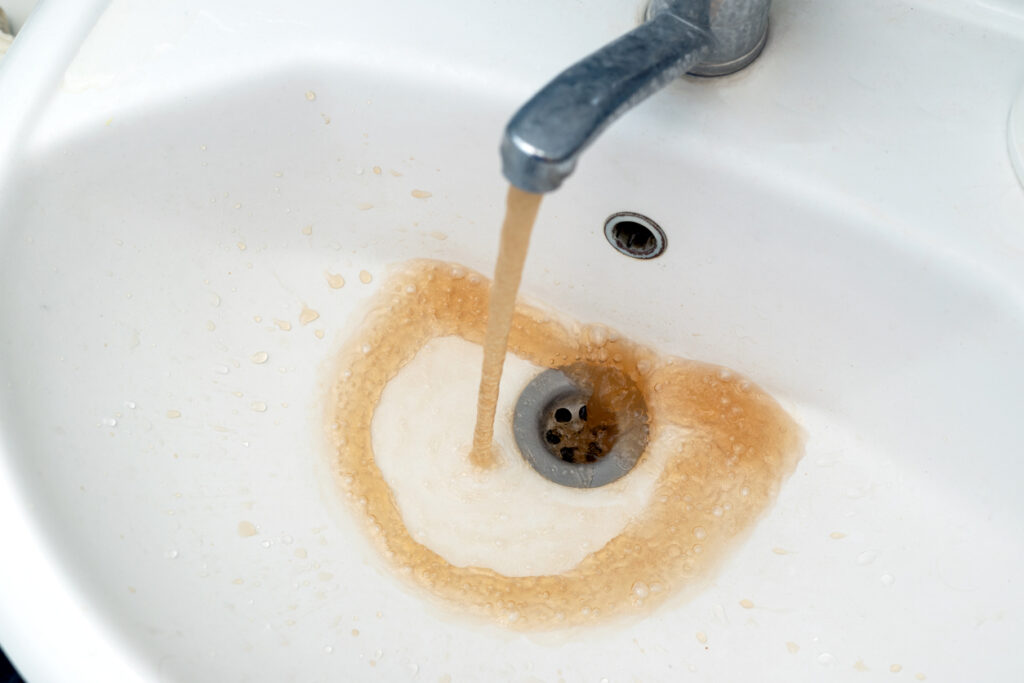
Discovering brown water coming from your hot water tap can be unsettling, especially when the cold water remains crystal clear. This phenomenon can indicate underlying issues in your water system that require immediate attention. Here's a detailed look at the causes, safety concerns, and steps you can take to resolve this problem.
What Causes Brown Hot Water?
Brown hot water can be caused by a number of factors, including sediment in your water heater or rusty pipes. Here are four possible reasons your hot water has turned brown.
Water Supply
Occasionally, a discolored water event may cause brown water in your tap. This discoloration happens when fine sediment in the main line gets stirred up by hydrant use, routine maintenance, or construction. Disturbed sediment normally settles within a few hours, and you’ll know this is the culprit if the water clears up on its own. To get rid of any remaining sediment, open all your faucets and let them run for several minutes. You should also check your local municipality for news about any changes in the water supply.
Water Heater Sediment
When water is heated, naturally-occurring minerals like calcium and magnesium form into scale particles. These particles can collect in your water heater tank over time, leading to a severe sediment buildup. This buildup not only discolors the hot water arriving at the faucets, it can also block the gas burner or electric elements, reduce heating efficiency, and eventually ruin the appliance.
You can prevent these problems by having your tank drained and flushed annually by a professional plumber. This regular water heater maintenance is the best way to prevent future issues with your hot water supply.
Corroded Pipes
If you’re seeing orange or rust-colored water from both the hot and cold faucets, your pipes are likely starting to corrode. Galvanized pipes are protected on the outside by a zinc coating, so they deteriorate from the inside out. Before leaks start, have your home’s water lines inspected by a licensed plumber to determine if they need replacement.
Water Heater Corrosion
If your cold water supply is clear, but the hot water flow has a brown or rusty tinge, the culprit is likely your water heater. If the appliance is more than 10 years old and you see evidence of rust on the exterior of the tank, there’s likely significant corrosion happening. You’ll need to replace the tank before it fails completely.
Why is Only the Hot Water Brown and Not the Cold?
The reason only your hot water is brown can usually be traced back to your water heater. Either you have a build up of sediment inside the tank or the metal of the tank has started to corrode. Because the root of the problem starts at the tank, the cold water bypassing the water heater remains unaffected and clear.
Is Brown Water Safe to Drink?
While brown water isn't always harmful, it's not advisable to drink it, especially if you don’t know the root cause. Furthermore, the discoloration could be a sign of more harmful contaminants like lead, especially in older plumbing systems.
What Are My Next Steps?
If you encounter brown hot water, start by flushing your water heater. If the problem persists, consult a professional plumber about having your hot water heater inspected. They’ll be able to professionally flush your tank and assess if you need repairs or replacement. Whatever you do, don't ignore the issue, as it could worsen over time.
Keep Your Hot Water Crystal Clear
At Roth Home, we understand the importance of having safe, clean water in your home. Our expert plumbing services are designed to address and resolve issues like brown hot water efficiently and effectively. Contact us today to schedule water heater repairs in Portland or the surrounding Central Oregon areas.
Buying your first home is both rewarding and exciting, but it comes with a lot of new responsibilities like keeping the plumbing system working properly. The following plumbing tips can help make the task less daunting, so you can enjoy the perks of home ownership with a little less stress.
Locate the Water Shutoffs
Learning where the water supply shutoffs are for each of your plumbing fixtures can help you minimize mess if a sink supply line springs a leak or a toilet starts to overflow. Even more important is locating your main shutoff valve, so you can halt the water flow immediately if an inaccessible pipe bursts and floods your home.
Maintain the Water Heater
If you have zero experience with water heaters, you should hire a professional plumber to make sure the appliance is in good working condition. A pro can drain and flush the tank to remove sediment as well, and demonstrate how to test the temperature and pressure relief (T&P) valve. Both of these chores are an important part of yearly maintenance to ensure the appliance operates efficiently and safely.
Take a Proactive Approach to Maintenance
Fix minor plumbing problems promptly, like leaky faucets and running toilets, and regularly check for leaks around your appliances, inside the sink cabinets and around each toilet base. If you’re having house-wide problems like sluggish drains, frequent clogs in multiple fixtures, or an unexpected drop in water pressure, call a plumbing pro right away to find out why.
Prepare an Emergency Kit
Having a plumbing emergency kit of basic tools and supplies on hand can help you get a plugged-up sink or clogged toilet fixed quickly, or allow you to control a leak until professional help arrives. All you need is a 5-gallon bucket stocked with a flashlight, plunger, an adjustable wrench, screwdriver and pliers. Add some thick cloths to mop up spills, and rolls of Teflon and duct tape to stop a leak temporarily.
To learn more plumbing tips, or for expert help dealing with a plumbing problem in your new Portland-area home, contact us at Roth Home & Cooling.
Whether you want to schedule routine HVAC maintenance or you need to repair or replace the equipment, choosing a reputable contractor who puts their customers’ comfort and well-being first can give you peace of mind that you’re in good hands. How can you identify great HVAC customer service? Look for the following qualities in each contractor you’re considering:
Reputation
Two factors that tell you whether a contractor provides excellent service are the length of time they’ve been in business and their reputation. Good contractors are well-established, and they can provide unbiased references from a number of satisfied customers. They’ll also have positive feedback online, and good reviews with the Better Business Bureau.
Qualifications
Conscientious HVAC professionals are up-to-date on required licenses, and they protect their employees and customers with workers’ compensation and liability insurance coverage. They also make sure their technicians have North American Technician Excellence (NATE) certification, which demonstrates a high degree of skill in HVAC installation, maintenance, and repair.
Affiliations
The best contractors are affiliated with recognized HVAC industry associations, such as the Air Conditioning Contractors of America (ACCA).
Equipment Sizing
Reputable contractors don’t use a vague rule of thumb when sizing new equipment or just match the capacity of your existing equipment. They make sure the equipment is accurately sized by performing a detailed load calculation using ACCA Manual J. Then, they select the right components using Manual S, and verify the ductwork size and layout using Manual D.
Efficiency Expertise
Contractors who care about customer satisfaction stay current on HVAC technology and know how to properly install high-efficiency equipment. They can explain the efficiency ratings of the equipment they recommend, and give you figures on your potential energy savings and estimated operating costs.
Pricing
A reputable contractor won’t give you a lowball estimate over the phone. Instead, they’ll pay a visit to inspect the HVAC system and discuss your needs or concerns and then give you a detailed written estimate that’s fairly priced.
If you’re searching for a Portland HVAC contractor who makes customer service a top priority, contact us at Roth Home & Cooling.
Poorly-vented drain lines can cause myriad symptoms in your household plumbing, often masking the real cause behind it all. To move drain water freely out of the house, your plumbing system needs air. As water flows through household drain pipes, pressure imbalances occur: air pressure builds in front of the flow and a zone of low pressure like a vacuum forms behind it. If these pressure imbalances aren’t equalized by plumbing vent pipes that extend all the way to the roof, mysterious problems develop.
Clogged plumbing vents may be due to debris such as leaves or birds’ nests, or the pipe may deteriorate internally and block the free intake and exhaust of air. Here are some of the symptoms of poorly-vented drain lines which may be mistaken for other common plumbing issues.
- Slow draining from sinks or tubs — Is there a partial clog in the drain pipe? Maybe, but if the usual methods like plunging and snaking don’t improve the situation, you may have a blocked drain air vent affecting that part of the system.
- Unusual sounds, even when the sink is dry — If you notice burping or gurgling noises, what you’re hearing is trapped air pressure venting up out of the drain as water flows through a drain line. It’s usually because the vent pipe that’s supposed to relieve pressure in the pipe is obstructed.
- A bubbling toilet — Another way trapped air finds its way out of the drain system when a vent is blocked is by emerging in the toilet bowl. Bubbling that occurs at times other than when the toilet is flushed is a red flag for a poorly-vented drain line.
- Sewer odors — The odor of sewer gas is unmistakable. You know it when you smell it. An obstructed plumbing vent may reflux sewer odors back into the home. Pressure in a poorly-vented drain line can be enough to push air through the traps beneath sinks that normally seal out these odors.
If you’re noticing suspicious signs of poorly-vented drain lines in your house, contact the plumbing professionals at Roth Home & Cooling.
The condition of the ducting that delivers your heated and cooled air has a direct impact on how well your HVAC system performs, as well as your energy consumption and comfort. Whether you’re planning to purchase new equipment, or you need to upgrade the existing duct system, make sure your HVAC contractor follows these ductwork design best practices.
Correct Placement
Whenever possible, ducting should be placed inside the home’s conditioned envelope in walls, ceilings or floors to avoid exposure to extreme temperatures that erode energy efficiency. If it’s necessary to install ducts outside the envelope in an unfinished basement, attic or garage, they should be wrapped in R-8 insulation to minimize energy losses.
Proper Sizing and Layout
To come up with an efficient ductwork design, an HVAC professional first determines the heating/cooling load by performing room-by-room calculations using Manual J from the Air Conditioning Contractors of America (ACCA). Then, the equipment is selected using Manual S, and the ducts sized and the layout designed using Manual D.
Good Materials
In the past, it was a common practice to use wall cavities and ceiling joist channels as makeshift ducts. Routing conditioned air through these areas is not only inefficient, it gives pollutants and contaminants an easy way to enter the home’s air supply. Today, ducts must be made of sheet metal, fiberglass or an approved flexible material.
Balanced Airflow
Neutral air pressure needs to be maintained within the home for the HVAC system to run properly and efficiently. To achieve this balanced airflow, the correct number of supply and return registers must be properly placed to deliver and return the same volume of air in each room.
Sealing, Testing, and Insulating
Duct leaks and a lack of insulation can cause air quality issues and waste up to a third of the HVAC equipment’s output. To avoid this, duct sections should be attached with screws, and joints and seams sealed with fiberglass mesh and mastic. The contractor should then test for duct tightness and wrap the runs in R-8 insulation.
If poor ductwork design is a concern in your Portland home, contact Roth Home & Cooling for expert help.